Last year I was delighted when CAMRA – the Campaign for Real Ale – announced it would be moving its annual Great British Beer Festival (GBBF) to Birmingham in 2025. The flagship event had a fallow year in 2024 when its preferred venue, the Kensington Olympia, wasn’t available, and its absence felt like a gaping void in the annual beer schedule.
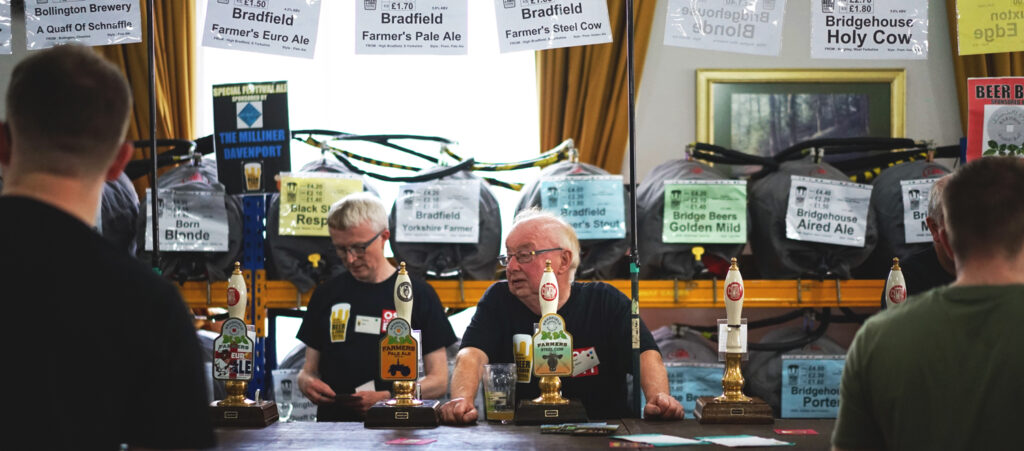
GBBF is without doubt the best opportunity CAMRA has to meet its primary aim of promoting and celebrating cask beer. Not only does it draw in hundreds of people from the industry, plus associated press, but here it announces the annual Champion Beer of Britain Award to a capacity crowd, which at 2025’s event deservedly went to Penzance Brewery for its delicious Mild. This on its own generates a lot of discussion and excitement around cask – but GBBFs true strength lies in its ability to cross into the mainstream, and win the category some new fans.
It’s important to establish from the off that I am a CAMRA member, and have been for a number of years. When I was younger I was skeptical of the organisation, but after I began working with them more closely in my capacity as a writer and photographer, I started to understand that its aims were closely aligned to my own: to get more people interested in, and drinking good beer. My own involvement with CAMRA has deepened over the years, including the publication of three books (my latest: Manchester’s Best Beer, Pubs and Bars 2nd Edition, is out now.) On occasion, I also work on a voluntary basis with my local Stockport and South Manchester branch, which includes helping out at their own beer and cider festival for the past few summers.
But let’s be honest with ourselves for a second: a lot of beer events have the knack of feeling a little, well, let’s say exclusive. Us beer drinkers are a certain type of enthusiast, and sometimes we like to hold on to that a little too tightly. GBBF, though, genuinely feels like a national event, and with that comes the opportunity to get people interested in beer who might not normally give it a great deal of thought. This is especially true when it comes to CAMRA growing its membership, as it provides the perfect chance to expose people to the aims of the campaign and hopefully convince them to join.
It felt like the relocation to Birmingham was ripe with other opportunities, too. This is a city with a fantastic beer culture of its own, and not just limited to the pubs and breweries of the city centre and surrounding suburbs either. Case in point: the day after the trade session I spent a wonderful afternoon exploring the Black Country, which included a visit to Brierley Hill’s The Vine Inn – home of Batham’s Brewery – and the Beacon Hotel in Sedgeley, where my pint of Sarah Huges Ruby Mild paired with a cheese and onion cob felt like a near-religious experience.
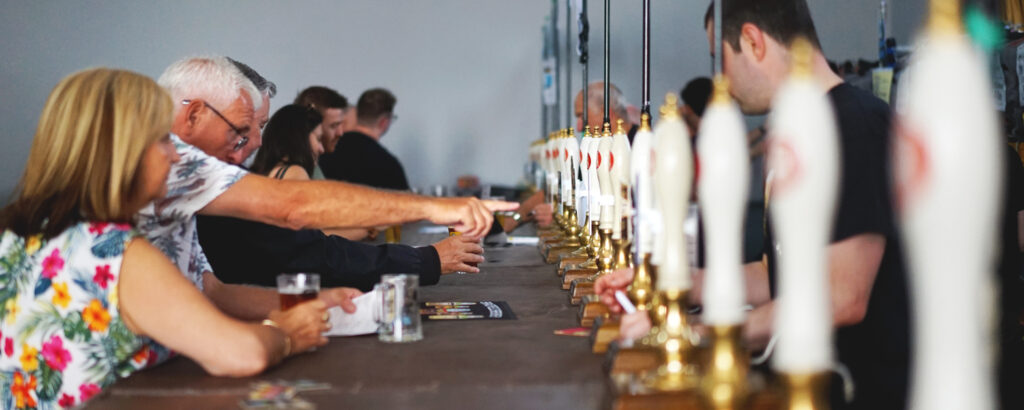
Birmingham is also more accessible than London for a lot of people, especially for those of us in the North of the country, and so it just felt well placed to be a huge success. Why then, after a few months of reflection, do I feel it fell a long way short of achieving its aims?
First of all, the venue was all wrong. The use of two halls felt excessive, with the cavernous venue carving up the attendees and making much of the hall feel sparse and spread out. For those of you that don’t enjoy crowds, this might sound like a positive, but let’s remember that this is supposed to be a festival, and if a festival doesn’t have the right kind of atmosphere, well, you’re probably better off just visiting a pub.
But there was another reason that it felt sparse, and that’s because attendance was way down, with 13,000 people attending over five days – far short of the event’s apparent 23,000 target. This is perhaps because getting to the venue, Birmingham’s NEC, is a bit of a mission. You need to go there with intent, and if you’re wanting to go for a few beers post-session then afterwards you remain stranded, half an hour from the city centre. It’s also not the kind of place you’d pop along to for a few after-work drinks. At the time I didn’t think this would have too much of a negative impact, but on leaving the trade event, there were very few regular punters making their way to the evening session.
There was also a damning report from one attendee who experienced apparent sexism at the event. (As an aside, a quick glance at the photograph in the linked post will demonstrate how sparse some parts of the venue felt.) That this occurred during the trade session, which means it was perpetrated by attendees who more than likely work in the beer or pub trade, somehow made it feel even worse. Imagine going to what is essentially a work event – a fun one involving beer admittedly – and having to deal with these kinds of situations? It just shouldn’t be happening, and although I’ve been told that discussions have been ongoing internally, I’m still left in the dark as to how CAMRA will make improvements to prevent this from happening at future events.
But this won’t be an issue – at least not in 2026 – because both the main GBBF and its winter equivalent have been cancelled. According to one discussion on its members internal forum, the festival made a staggering £320,000 loss. This feels significant, because you don’t plan the largest beer festival of the year and then move on after losing more than a quarter of a million pounds. A loss of this magnitude isn’t made simply by mismanagement – it’s gross negligence.
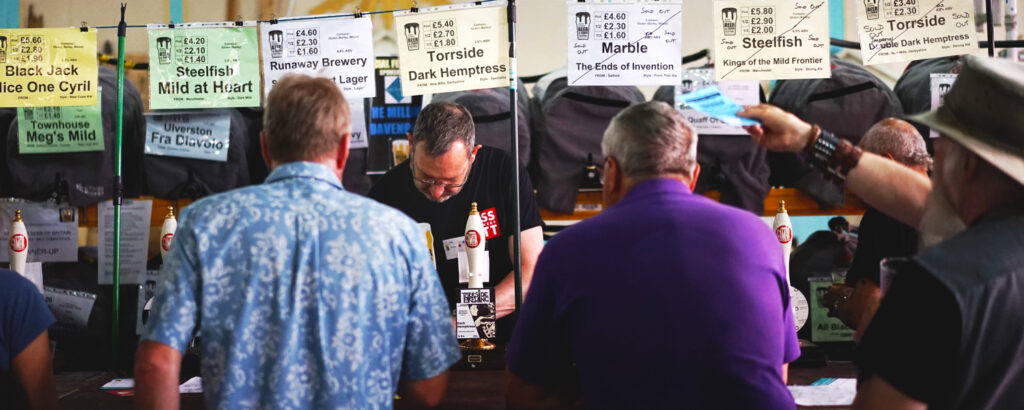
I’ll say again: I’m a CAMRA member, I want the Campaign to succeed. Sometimes I am asked why CAMRA needs to exist in 2026, and I know exactly why: because 15,800 pubs have closed down in the last 25 years; because volumes of cask ale sold between 2005 and 2025 have shrunk from 14% to just 8%; and because to get people interested in cask beer, real ale, or whatever you want to call it, you need knowledgeable enthusiasts to explain why it’s something worth cherishing. And believe me when I say it is exactly that.
The other thing worth noting is that CAMRA continues to do important work in many other areas, from its local festivals – many of which I will add are still profitable – to its government lobbying activities. On the latter, when it teamed up with SIBA a few years ago it managed to increase the draft duty relief in the 2023 revision of duty law from 5% to 9.4%. While this may also benefit large brewers to the sum of several million pounds, for smaller producers it potentially provides a lifeline, and this is not something to be discounted.
Without GBBF though, CAMRA loses its biggest public facing event, and with it the ability to maintain any real sort of momentum. Meanwhile, membership continues to dwindle. In 2019, before the pandemic hit, it was close to breaking the 200,000 threshold. Now that figure is closer to 140,000. While it does have a central HQ with paid employees, as a consumer group it is still largely reliant on the input and effort of volunteers. As the number of available volunteers continues to dwindle, so does its ability to organise and staff large scale events effectively.
The UK desperately needs a national showcase for what is essentially one of its greatest cultural and gastronomic contributions to the world: cask ale. Without it, then it means any real progress will be steered by those with money and power. Just look at AB InBev, the largest beer company in the world, suddenly marketing Bass and Boddingtons while nostalgia for certain brands is riding high. If that same level of interest is to be passed on to the 1600 or so independent breweries in the UK, and indeed to the pubs that care for and sell their product, it needs a consumer group with the ability and resources to back it.
At present, it feels like CAMRA has its tail between its legs, my only hope is that it figures out how to find a way to move forward positively, because cask beer still needs its independent voice. On the one hand any organisation like this is only as good as its members, and so I would still encourage people to join for themselves, and pop down to a local branch meeting or pub crawl if you’re able. I still feel CAMRA is important, because cask beer is important. But without it working effectively, I do worry what the category’s future may hold.
— Matthew Curtis
Get ‘Er Brewed is proud to support Pellicle Magazine, which is owned and run by Matt. If you enjoy these blog posts, make sure you head over to pelliclemag.com and read their latest features, and listen to some of their fantastic podcast episodes.