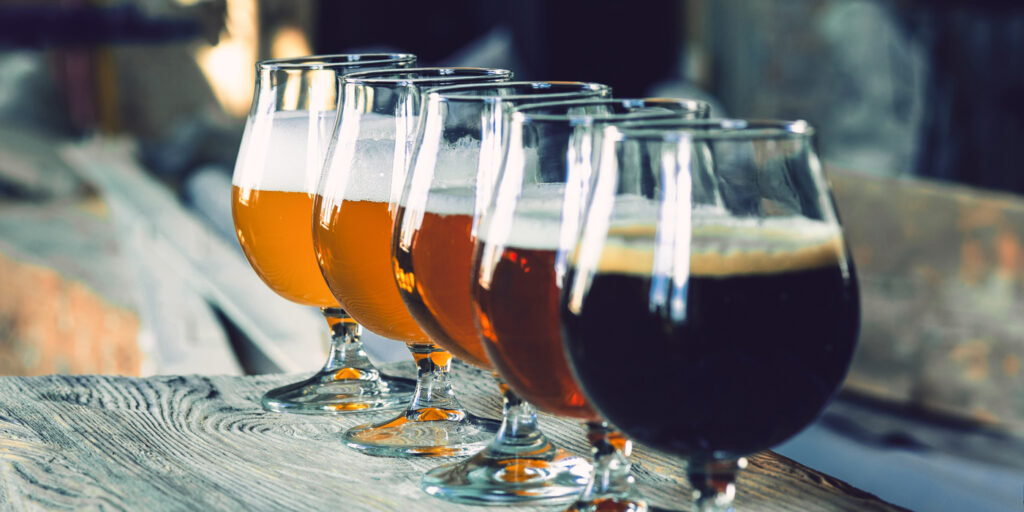
Beer is one of the oldest and most diverse drinks in the world. From crisp, golden lagers to dark, roasty stouts and complex farmhouse ales, beer comes in an incredible range of flavours, strengths, aromas, and brewing traditions. To make sense of that diversity, brewers and drinkers use something called beer styles.
In this guide, we’re breaking down beer styles in a clear, practical way. Whether you’re a homebrewer, craft beer drinker, or just curious about what’s in your glass, this article is designed to help you understand what different beer styles are, where they come from, and what makes them unique.
100 Beer Styles: Grab a Beer and Strap In
There isn’t just a handful of beer styles — there are a lot of them. In fact, when you look across brewing history and traditional classifications, there are well over 100 recognised classic beer styles.
In this article, we’ve compiled a list of 100 classic beer styles, covering traditional lagers, ales, wheat beers, farmhouse styles, historic brews, and strong speciality beers. It’s a deep dive, so grab a beer, get comfortable, and strap in — you can skim it, explore it style by style, or simply use it as a reference whenever you need it.
Each style in the list is explained clearly, without unnecessary jargon, making this guide useful whether you’re just starting out or already deep into brewing and beer culture.
What Is a Beer Style?
A beer style is a way of categorising beer based on a shared set of characteristics. These characteristics are shaped by history, geography, ingredients, and brewing techniques, rather than by brand or brewery.
A beer style is typically defined by a combination of factors such as:
- Ingredients – types of malt, hops, yeast, and adjuncts
- Fermentation method – ale, lager, mixed, or spontaneous fermentation
- Flavour profile – malt-forward, hop-forward, dry, sweet, sour, or roasty
- Strength – alcohol content (ABV) and original gravity (OG)
- Bitterness – measured in IBUs
- Appearance – colour, clarity, and head retention
- Origin – traditional region or country where the style developed
For example, a German Pilsner and an English Bitter are both beers, but they are defined by very different ingredients, yeast strains, brewing traditions, and flavour expectations — which is why they belong to completely different styles.
Beer styles aren’t about rigid rules; they’re guidelines. Brewers use them as a framework, drinkers use them to know what to expect, and competitions use them to judge beers fairly.
How Many Beer Styles Are There?
There isn’t a single defined number of beer styles.
That’s because beer styles aren’t controlled by one global authority, and they continue to evolve over time.
Different organisations classify beer in different ways, some focusing on traditional styles, others including modern and regional variations. On top of that, many historic beers existed long before modern style guidelines and don’t always fit neatly into today’s categories.
New styles also emerge as brewers experiment, revive forgotten beers, or combine techniques from different traditions — which means the list is never truly finished.
In Simple Terms
- Classic, foundational styles: around 100
- Widely recognised styles today: 150–200
- Including modern and experimental styles: 250–300+
So Why Focus on 100 Beer Styles? The 100 beer styles in this guide represent the core foundation of beer. These are the classic, widely recognised styles that have shaped brewing history and still influence modern beer today.
Most modern and experimental beers are variations, adaptations, or evolutions of these established styles. Understanding the classics makes it much easier to understand everything that came after.
Beer styles are best seen as guidelines rather than rules, helping brewers and drinkers understand what to expect — not limiting creativity.
Why Beer Styles Matter
Understanding beer styles helps you:
- Choose beers you’re more likely to enjoy
- Compare beers fairly and consistently
- Brew more authentic recipes
- Understand historical and regional brewing traditions
Whether you’re browsing a pub menu, building a homebrew recipe, or stocking your fridge, knowing beer styles gives you a shared language for talking about beer.
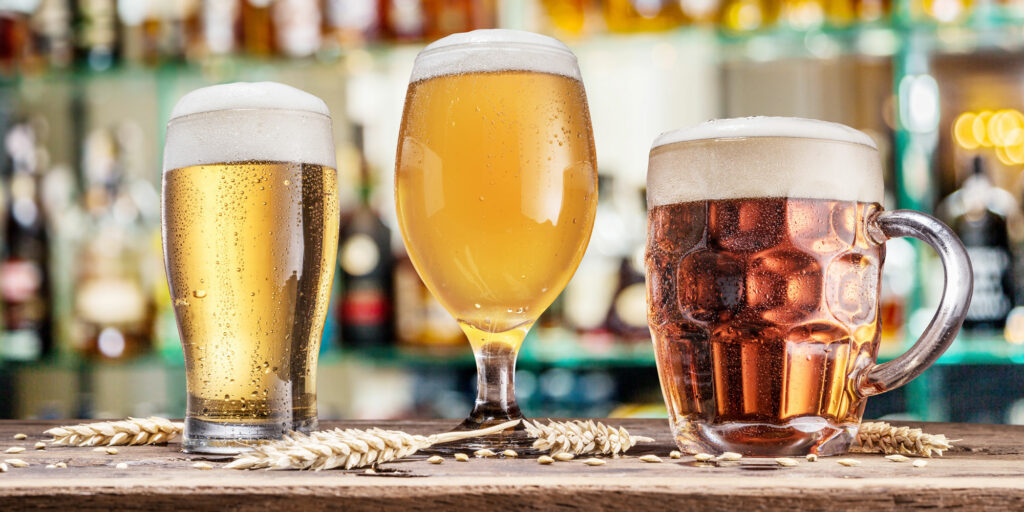
LAGERS
Lagers are defined by cold fermentation using bottom-fermenting yeast, resulting in clean, crisp beers where malt and hop character is showcased without fruity esters. Traditionally associated with Central Europe, lagers range from light and refreshing to dark and malt-rich, with long cold conditioning (“lagering”) contributing to smoothness and clarity.
| Common Malts | Common Hops | Common Yeast |
|---|---|---|
| Pilsner malt | Hallertau Mittelfrüh | German Lager yeast (e.g. Bavarian strains) |
| Munich malt | Tettnang | Bohemian Lager yeast |
| Vienna malt | Saaz | Clean European lager strains |
| CaraMunich / Caramel malts | Spalt | |
| Roasted barley (small amounts for dark lagers) | Hersbrucker |
BRITISH & IRISH ALES
British and Irish ales emphasise malt balance, drinkability, and session strength, traditionally served with lower carbonation. These beers are typically top-fermented at moderate temperatures, producing restrained fruity esters and earthy hop character. Styles range from bitters and milds to porters and stouts.
| Common Malts | Common Hops | Common Yeast |
|---|---|---|
| Maris Otter Pale Malt | East Kent Goldings | English Ale yeast (moderate ester profile) |
| Crystal / Caramel malts | Fuggles | Irish Ale yeast |
| Brown malt | Challenger | Traditional British cask strains |
| Chocolate malt | Target | |
| Roasted barley (especially Irish stouts) | Northdown |
GERMAN ALES & WHEAT BEERS
German ales focus on clean fermentation, balance, and adherence to tradition, often influenced by the Reinheitsgebot. Wheat beers are defined by high wheat content and expressive yeast character, producing signature banana and clove notes. These styles prioritise freshness, carbonation, and elegant simplicity.
| Common Malts | Common Hops | Common Yeast |
|---|---|---|
| German Pilsner malt | Hallertau | Kölsch Ale yeast |
| Wheat malt | Tettnang | Altbier yeast |
| Munich malt | Spalt | Weizen yeast (phenolic, ester-driven strains) |
| Vienna malt | Hersbrucker | |
| Dark wheat malt |
BELGIAN & TRAPPIST STYLES
Belgian styles are yeast-driven beers known for complex esters, phenols, and high attenuation. These beers often appear deceptively light while hiding significant strength. Trappist and abbey styles emphasise dry finishes, layered fermentation character, and high carbonation.
| Common Malts | Common Hops | Common Yeast |
|---|---|---|
| Belgian Pilsner malt | Styrian Goldings | Belgian Abbey yeast |
| Munich malt | Saaz | Trappist yeast strains |
| Aromatic malt | Hallertau | Saison yeast (highly attenuative, spicy) |
| Special B | East Kent Goldings (occasionally) | |
| Dark candi sugar / light candi sugar |
TRADITIONAL SOUR & WILD STYLES
These styles are defined by mixed fermentation or spontaneous fermentation, producing acidity, funk, and complexity over time. Often aged in wood, they range from softly tart to intensely sour and are traditionally associated with Belgium and northern France.
| Common Malts | Common Hops | Common Yeast |
|---|---|---|
| Pilsner malt | Aged noble hops (low bitterness) | Brettanomyces |
| Wheat malt | Saaz (aged) | Lactobacillus |
| Munich malt | Hallertau (aged) | Pediococcus |
| Aged hops (for preservation, not bitterness) | Wild Saccharomyces strains |
EARLY AMERICAN & HISTORICAL STYLES
These styles reflect pre-industrial and early industrial brewing, often adapted to local ingredients and conditions. They include hybrid fermentations, rustic techniques, and practical beers brewed for rapid consumption rather than long storage
| Common Malts | Common Hops | Common Yeast |
|---|---|---|
| Six-row pale malt | Cluster | Clean American ale yeast |
| Corn (maize) | Liberty | Hybrid ale-lager strains |
| Rye malt | Willamette | Historical farmhouse cultures |
| Wheat malt | Early American landrace hops | |
| Caramel malts |
STRONG & HISTORIC SPECIALITY STYLES
This group includes high-gravity, historic, and revival styles, often brewed for ageing or special occasions. These beers emphasise intensity, malt depth, alcohol warmth, and traditional techniques such as smoking, freezing, or stone heating.
| Common Malts | Common Hops | Common Yeast |
|---|---|---|
| Munich malt | Noble hops (low emphasis) | Strong ale yeast |
| Vienna malt | Traditional European varieties | Lager yeast (for strong lagers) |
| Wheat malt | Aged hops for balance | Mixed or historical cultures |
| Smoked malt | ||
| Dark crystal malts |
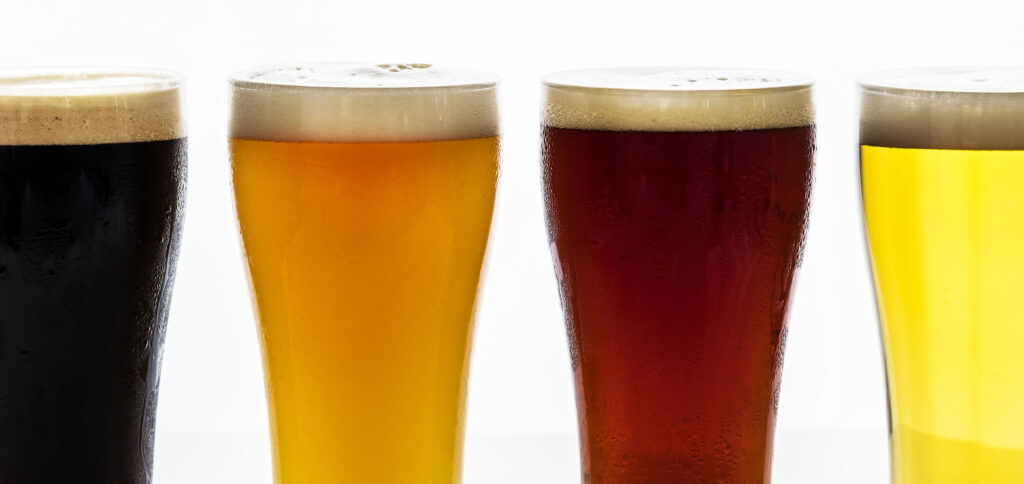
THE LIST ( In no particuler order)
LAGERS (PALE → DARK)
- International Pale Lager – Light, crisp lager with subtle malt and minimal bitterness.
OG: 1.040–1.046 | IBU: 15–25 | ABV: 4.5–5.5% - American Lager – Clean, highly carbonated lager using corn or rice adjuncts.
OG: 1.040–1.050 | IBU: 8–18 | ABV: 4.2–5.3% - Munich Helles – Malt-forward German lager with soft sweetness and low bitterness.
OG: 1.044–1.048 | IBU: 16–22 | ABV: 4.7–5.4% - German Pilsner – Dry, crisp pilsner with firm bitterness and noble hop aroma.
OG: 1.044–1.050 | IBU: 22–40 | ABV: 4.4–5.2% - Czech Pilsner – Rich malt body balanced by soft bitterness and Saaz hops.
OG: 1.044–1.056 | IBU: 30–45 | ABV: 4.2–5.8% - Dortmunder Export – Balanced lager with both malt richness and hop bitterness.
OG: 1.048–1.056 | IBU: 20–30 | ABV: 5.1–6.1% - Vienna Lager – Amber lager with toasty malt character and smooth finish.
OG: 1.046–1.052 | IBU: 18–30 | ABV: 4.7–5.5% - Märzen – Traditional amber lager with rich, bready malt.
OG: 1.050–1.056 | IBU: 18–24 | ABV: 5.1–6.0% - Oktoberfest – Smooth, malty festival lager, clean and drinkable.
OG: 1.048–1.056 | IBU: 18–25 | ABV: 5.0–6.0% - Munich Dunkel – Dark lager emphasising malt depth over hop bitterness.
OG: 1.048–1.056 | IBU: 18–28 | ABV: 4.5–5.6% - Schwarzbier – Black lager with smooth roast and light body.
OG: 1.046–1.052 | IBU: 20–30 | ABV: 4.4–5.4% - Bock – Strong malty lager with minimal hop presence.
OG: 1.064–1.072 | IBU: 20–30 | ABV: 6.3–7.2% - Doppelbock – Intensely malty strong lager with warming alcohol.
OG: 1.072–1.112 | IBU: 16–26 | ABV: 7.0–10.0% - Maibock (Helles Bock) – Pale, strong lager with noticeable hop bitterness.
OG: 1.064–1.072 | IBU: 23–35 | ABV: 6.3–7.4% - Eisbock – Freeze-concentrated bock with extreme richness.
OG: 1.078–1.120 | IBU: 25–35 | ABV: 9.0–14.0% - Baltic Porter – Strong, smooth dark lager with chocolate and roast notes.
OG: 1.060–1.090 | IBU: 20–40 | ABV: 6.5–9.5% - Kellerbier – Unfiltered German lager with fresh malt and hop character.
OG: 1.044–1.052 | IBU: 20–35 | ABV: 4.7–5.4% - Zwickelbier – Young, naturally cloudy lager served fresh.
OG: 1.044–1.050 | IBU: 18–30 | ABV: 4.5–5.2% - European Dark Lager – Clean, malt-forward dark lager styles.
OG: 1.048–1.056 | IBU: 18–30 | ABV: 4.5–6.0% - Rauchbier – Traditional smoked lager with beechwood smoke character.
OG: 1.050–1.056 | IBU: 20–30 | ABV: 5.0–6.0%
BRITISH & IRISH ALES
- Ordinary Bitter – Low-strength session ale with balanced malt and hops.
OG: 1.030–1.038 | IBU: 25–35 | ABV: 3.2–3.8% - Best Bitter – Fuller-bodied bitter with more malt depth.
OG: 1.038–1.046 | IBU: 25–40 | ABV: 3.8–4.6% - Extra Special Bitter (ESB) – Strong, malty bitter with assertive hops.
OG: 1.048–1.060 | IBU: 30–50 | ABV: 4.6–6.2% - English Pale Ale – Balanced ale with earthy hops and biscuity malt.
OG: 1.040–1.048 | IBU: 25–40 | ABV: 4.0–5.2% - English Mild – Malt-forward, low-alcohol traditional pub ale.
OG: 1.030–1.038 | IBU: 10–25 | ABV: 3.0–3.8% - English Brown Ale – Nutty, caramel malt with gentle bitterness.
OG: 1.040–1.048 | IBU: 20–30 | ABV: 4.0–5.2% - Northern Brown Ale – Drier, stronger brown ale with hop balance.
OG: 1.044–1.052 | IBU: 20–30 | ABV: 4.5–5.4% - Southern Brown Ale – Sweeter, darker brown ale with low bitterness.
OG: 1.040–1.050 | IBU: 15–25 | ABV: 4.0–5.4% - English Porter – Chocolate and roast malt balanced by hops.
OG: 1.040–1.052 | IBU: 18–35 | ABV: 4.0–5.4% - English Stout – Dry, roasty stout with restrained bitterness.
OG: 1.040–1.052 | IBU: 30–40 | ABV: 4.0–5.2% - Irish Dry Stout – Roasted barley character with dry finish.
OG: 1.036–1.044 | IBU: 30–45 | ABV: 4.0–4.5% - Foreign Extra Stout – Stronger stout with fuller body and sweetness.
OG: 1.056–1.075 | IBU: 30–70 | ABV: 6.0–8.0% - Sweet Stout – Lactose-sweetened stout with smooth roast.
OG: 1.044–1.060 | IBU: 20–40 | ABV: 4.0–6.0% - Oatmeal Stout – Silky stout with oats adding body.
OG: 1.045–1.065 | IBU: 25–40 | ABV: 4.2–5.9% - Scotch Ale (Wee Heavy) – Strong, malt-rich ale with low hops.
OG: 1.070–1.130 | IBU: 17–35 | ABV: 6.5–10.0% - Scottish Export Ale – Amber ale with malt emphasis.
OG: 1.040–1.048 | IBU: 15–30 | ABV: 4.0–4.8% - Scottish Heavy Ale – Malt-forward ale with restrained bitterness.
OG: 1.035–1.040 | IBU: 10–25 | ABV: 3.5–4.1% - Old Ale – Aged ale with dark fruit and oxidative notes.
OG: 1.060–1.090 | IBU: 30–60 | ABV: 6.0–9.0% - English Barleywine – Rich malt complexity designed for ageing.
OG: 1.080–1.120 | IBU: 35–70 | ABV: 8.0–12.0% - British Strong Ale – Strong malt-driven ale often seasonal.
OG: 1.055–1.080 | IBU: 30–60 | ABV: 5.5–8.0%
GERMAN ALES & WHEAT BEERS (41–50)
- Kölsch – Pale German ale fermented cool for a clean, lager-like finish with subtle fruit.
OG: 1.044–1.050 | IBU: 18–30 | ABV: 4.4–5.2% - Altbier – Copper-coloured ale with firm bitterness and a clean, dry finish.
OG: 1.044–1.052 | IBU: 25–50 | ABV: 4.3–5.5% - Hefeweizen – Cloudy wheat beer defined by banana and clove yeast character.
OG: 1.044–1.052 | IBU: 10–15 | ABV: 4.3–5.6% - Dunkelweizen – Dark wheat beer combining banana-clove yeast with rich malt depth.
OG: 1.044–1.056 | IBU: 10–18 | ABV: 4.3–5.6% - Kristallweizen – Filtered wheat beer, bright and effervescent with classic yeast notes.
OG: 1.044–1.052 | IBU: 10–15 | ABV: 4.3–5.6% - Weizenbock – Strong wheat beer with rich malt, dark fruit, and warming alcohol.
OG: 1.064–1.090 | IBU: 15–30 | ABV: 6.5–9.0% - Roggenbier – Rye-based ale with spicy grain character and dense mouthfeel.
OG: 1.046–1.056 | IBU: 10–20 | ABV: 4.5–6.0% - Berliner Weisse – Low-alcohol wheat beer with refreshing lactic acidity.
OG: 1.028–1.032 | IBU: 3–8 | ABV: 2.8–3.8% - Gose – Lightly sour wheat beer with coriander and subtle salt character.
OG: 1.036–1.056 | IBU: 5–12 | ABV: 4.2–4.8% - German Leichtbier – Traditional low-alcohol beer with delicate malt balance.
OG: 1.026–1.034 | IBU: 8–20 | ABV: 2.5–3.5%
BELGIAN & TRAPPIST STYLES (51–60)
- Belgian Blonde Ale – Golden ale with gentle fruitiness, soft malt, and dry finish.
OG: 1.062–1.075 | IBU: 15–30 | ABV: 6.0–7.5% - Belgian Pale Ale – Malt-forward Belgian ale with restrained yeast spice.
OG: 1.048–1.054 | IBU: 20–30 | ABV: 4.8–5.5% - Belgian Dubbel – Dark monastery ale with caramel malt and dark fruit esters.
OG: 1.062–1.075 | IBU: 15–25 | ABV: 6.0–7.6% - Belgian Tripel – Pale, strong ale with spicy yeast, high attenuation, and dry finish.
OG: 1.075–1.085 | IBU: 20–40 | ABV: 7.5–9.5% - Belgian Quadrupel – Very strong dark ale with rich malt and dried fruit complexity.
OG: 1.090–1.120 | IBU: 25–50 | ABV: 9.0–12.0% - Belgian Dark Strong Ale – Complex, malt-driven strong ale with layered yeast character.
OG: 1.075–1.110 | IBU: 20–35 | ABV: 8.0–11.0% - Belgian Golden Strong Ale – Light-coloured but powerful ale with dry, effervescent finish.
OG: 1.070–1.095 | IBU: 22–35 | ABV: 7.5–10.5% - Saison – Highly attenuated farmhouse ale with peppery spice and dryness.
OG: 1.048–1.065 | IBU: 20–35 | ABV: 4.5–6.5% - Bière de Garde – Malt-forward French farmhouse ale brewed for ageing.
OG: 1.060–1.080 | IBU: 18–28 | ABV: 6.0–8.5% - Witbier – Spiced wheat beer with coriander, orange peel, and refreshing acidity.
OG: 1.044–1.052 | IBU: 10–20 | ABV: 4.5–5.5%
TRADITIONAL SOUR & WILD STYLES (61–70)
- Lambic – Spontaneously fermented Belgian beer with funky, acidic character.
OG: 1.040–1.054 | IBU: 0–10 | ABV: 5.0–6.5% - Gueuze – Blended lambic combining young and aged beers for sparkle and complexity.
OG: 1.040–1.060 | IBU: 0–10 | ABV: 5.0–7.0% - Fruit Lambic – Lambic refermented with fruit for balanced sweetness and acidity.
OG: 1.040–1.060 | IBU: 0–10 | ABV: 5.0–7.0% - Flanders Red Ale – Oak-aged sour ale with wine-like acidity and fruit notes.
OG: 1.048–1.057 | IBU: 10–25 | ABV: 4.6–6.5% - Oud Bruin – Dark sour ale with softer acidity and malt sweetness.
OG: 1.040–1.074 | IBU: 10–25 | ABV: 4.0–8.0% - Belgian Table Beer – Low-alcohol, yeast-forward everyday Belgian ale.
OG: 1.030–1.040 | IBU: 15–30 | ABV: 3.0–4.0% - Grisette – Light, dry farmhouse ale historically brewed for miners.
OG: 1.034–1.048 | IBU: 20–35 | ABV: 3.5–5.0% - Faro – Sweetened lambic with low bitterness and gentle acidity.
OG: 1.032–1.040 | IBU: 0–5 | ABV: 4.0–5.0% - Mixed Fermentation Ale – Beer using both brewer’s yeast and wild microbes.
OG: 1.048–1.070 | IBU: 10–30 | ABV: 5.0–7.5% - Belgian Sour Ale – Balanced sour ale with fruit-forward acidity and yeast complexity.
OG: 1.040–1.060 | IBU: 5–20 | ABV: 4.5–6.5%
EARLY AMERICAN & HISTORICAL STYLES (71–80)
- Cream Ale – Hybrid ale-lager with light body and clean finish.
OG: 1.042–1.055 | IBU: 15–20 | ABV: 4.2–5.6% - California Common – Amber lager fermented warm with firm hop bitterness.
OG: 1.048–1.054 | IBU: 30–45 | ABV: 4.5–5.5% - American Wheat Beer – Clean-fermented wheat ale with light hop presence.
OG: 1.040–1.055 | IBU: 15–30 | ABV: 4.0–5.5% - American Blonde Ale – Easy-drinking ale with subtle malt sweetness.
OG: 1.038–1.054 | IBU: 15–28 | ABV: 3.8–5.5% - American Pale Ale (Classic) – Malt-forward pale ale with restrained hop bitterness.
OG: 1.045–1.060 | IBU: 30–45 | ABV: 4.5–6.0% - American Brown Ale – Chocolate and caramel malt with moderate bitterness.
OG: 1.045–1.060 | IBU: 20–40 | ABV: 4.5–6.2% - American Porter – Robust porter with stronger roast and hop balance.
OG: 1.048–1.065 | IBU: 25–50 | ABV: 4.8–6.5% - American Stout – Bold roasted malt and higher hop bitterness.
OG: 1.050–1.075 | IBU: 35–75 | ABV: 5.0–7.5% - Pre-Prohibition Lager – Fuller-bodied early American lager with more flavour.
OG: 1.048–1.060 | IBU: 20–35 | ABV: 5.0–6.5% - Kentucky Common – Dark, light-bodied ale brewed for quick consumption.
OG: 1.044–1.055 | IBU: 15–30 | ABV: 4.0–5.5%
STRONG & HISTORIC SPECIALITY STYLES (81–100)
- Doppelsticke Alt – Extra-strong altbier with deep malt richness.
OG: 1.070–1.080 | IBU: 35–60 | ABV: 6.5–8.0% - Eisbier – Concentrated lager produced by freeze distillation.
OG: 1.078–1.120 | IBU: 25–40 | ABV: 9.0–14.0% - Wheatwine – Strong ale dominated by wheat malt and alcohol warmth.
OG: 1.080–1.120 | IBU: 30–60 | ABV: 8.0–12.0% - Russian Imperial Stout – Very strong stout with intense roast and ageing potential.
OG: 1.075–1.115 | IBU: 50–90 | ABV: 8.0–12.0% - Smoked Porter – Robust porter layered with traditional smoke character.
OG: 1.050–1.065 | IBU: 25–45 | ABV: 5.0–6.5% - Traditional Rauch Lager – Clean lager showcasing smoked malt flavours.
OG: 1.048–1.056 | IBU: 20–30 | ABV: 4.8–6.0% - Gruit – Hopless beer bittered with herbs and botanicals.
OG: 1.040–1.070 | IBU: 0–20 | ABV: 4.0–7.0% - Sahti – Finnish farmhouse ale with juniper and rustic yeast character.
OG: 1.060–1.120 | IBU: 5–15 | ABV: 7.0–11.0% - Kvass – Low-alcohol fermented bread beverage with mild sweetness.
OG: 1.010–1.030 | IBU: 0–10 | ABV: 0.5–2.5% - Lichtenhainer – Smoked and sour wheat beer, highly refreshing.
OG: 1.032–1.040 | IBU: 5–15 | ABV: 3.5–4.5% - Bière de Mars – Spring-brewed farmhouse ale with malty backbone.
OG: 1.050–1.065 | IBU: 20–35 | ABV: 5.5–7.0% - Patersbier – Low-strength Trappist beer brewed for monastery consumption.
OG: 1.044–1.050 | IBU: 20–30 | ABV: 4.5–5.2% - Keller-Weiss – Unfiltered wheat beer with soft yeast expression.
OG: 1.044–1.052 | IBU: 10–15 | ABV: 4.3–5.6% - Steinbier – Beer brewed using hot stones for caramelised malt flavours.
OG: 1.048–1.070 | IBU: 20–35 | ABV: 5.0–7.5% - Adambier – Strong historic German ale with smoky, aged character.
OG: 1.070–1.120 | IBU: 30–60 | ABV: 7.0–12.0% - Mumme – Extremely strong, sweet medieval German beer.
OG: 1.090–1.130 | IBU: 25–40 | ABV: 8.0–12.0% - Grodziskie (Grätzer) – Smoked wheat beer with low alcohol and high carbonation.
OG: 1.028–1.032 | IBU: 20–35 | ABV: 2.5–3.5% - Pre-Industrial Porter – Stronger, aged porter with wood-aged influence.
OG: 1.060–1.080 | IBU: 30–50 | ABV: 6.0–8.0% - Monastic Single – Simple, dry Trappist-style session ale.
OG: 1.044–1.054 | IBU: 20–30 | ABV: 4.5–5.8% - Table Beer (Traditional) – Everyday low-ABV beer designed for regular consumption.
OG: 1.030–1.040 | IBU: 15–30 | ABV: 3.0–4.0%